Home » SSDI Lawyer » Indiana SSDI Lawyer
Getting approved for Social Security Disability Insurance (SSDI) is tough. Really tough. The system seems designed to make you want to tear your hair out, fill out endless forms, and then maybe, just maybe, get a denial letter for your trouble.
If a serious medical condition keeps you from working in Indiana, SSDI benefits are meant to be a lifeline. They represent financial support you earned through years of working and paying Social Security taxes. But accessing them? That’s another story entirely.
Don’t face the Social Security Administration (SSA) bureaucracy by yourself. There are people who deal with this maze daily. Call TopDog Law – we connect people just like you with independent, qualified Indiana SSDI lawyers who handle SSDI claims.





You’ve probably heard of Social Security, maybe thinking it’s just for retirement. But part of the taxes taken out of your paycheck also funds Social Security Disability Insurance, or SSDI. Think of it as an insurance program run by the federal government.
If you develop a medical condition – physical or mental – that stops you from working long-term, SSDI is supposed to step in. These benefits provide monthly payments to help replace some of your lost income. It’s money you paid into the system, specifically for this kind of situation.
It’s important not to mix SSDI up with Supplemental Security Income (SSI). SSI is a needs-based program for disabled, blind, or aged individuals with very limited income and resources, regardless of work history. SSDI, however, is based entirely on your work record and contributions.
Okay, knowing what SSDI is doesn’t mean you automatically get it. The SSA has specific hoops you need to jump through. Two main requirements determine if you even get past the front gate.
First, you need a qualifying disability. The SSA has a strict definition. According to the Social Security Act (specifically Section 223(d)(1)(A)), disability means the “inability to engage in any substantial gainful activity (SGA) by reason of any medically determinable physical or mental impairment which can be expected to result in death or which has lasted or can be expected to last for a continuous period of not less than 12 months.”
Translation: You need a diagnosed condition, backed by medical evidence, that prevents you from doing significant work (earning above a certain amount each month, known as SGA), and this condition must be expected to last at least a year or be terminal. It’s not about being unable to do your old job; it’s about being unable to adjust to any kind of substantial work.
Second, you need enough “work credits.” You earn these credits by working and paying Social Security taxes. The number of credits you need depends on your age when your disability began. Generally, you need 40 credits, with 20 earned in the last 10 years ending with the year your disability started. Younger workers may qualify with fewer credits.
So, you think you meet the criteria. Great. Now you get to apply. Prepare yourself. The SSDI application process is notoriously complex and lengthy. It involves stacks of forms asking for detailed information about your medical history, work history, education, and daily limitations.
You’ll need to provide extensive medical records – doctor’s notes, test results, hospital stays – everything that documents your condition and its impact on your ability to function. Getting all this information together can feel like a full-time job, which is ironic, given you’re applying because you can’t work.
And here’s the kicker: initial applications face high denial rates. Why? Reasons range from simple paperwork errors or missing information to the SSA deciding your medical evidence isn’t strong enough, or that despite your condition, they believe you can still perform some type of work.
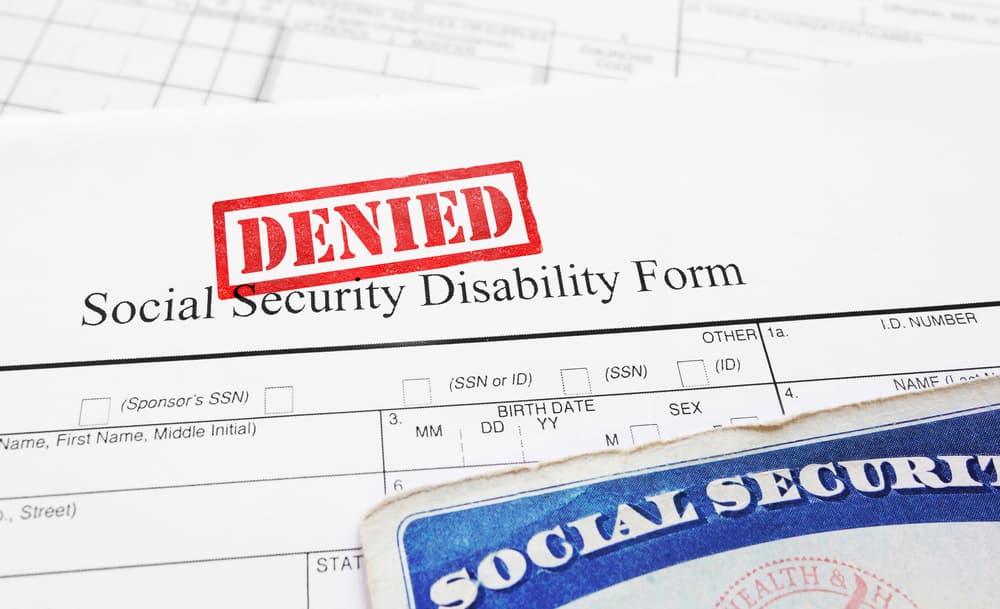
Getting that denial letter feels like a punch to the gut. After all the effort, the waiting, the hoping – it’s crushing. But listen closely: a denial is not necessarily the end of the road. Many people who are initially denied eventually get approved through the appeals process.
The SSDI appeals process in Indiana (and nationwide) generally has several levels:
The appeals process adds more time and complexity. Deadlines are strict. Missing one can mean starting all over or losing your right to appeal altogether.
You might be thinking, “This sounds like a nightmare. I need help.” You’re absolutely right. TopDog Law focuses on connecting people like you with local Indiana attorneys prepared to handle SSDI claims.
So, what can an Indiana SSDI lawyer, found through our network, actually do for you? They live and breathe this stuff. A qualified lawyer familiar with Indiana SSDI claims can:
Having someone knowledgeable guiding you through the process lifts a huge burden and improves your chances of presenting the strongest possible case.

Now for the question burning in your mind: “How can I afford a lawyer if I can’t work?” That’s a fair question. Most SSDI lawyers work on a contingency fee basis.
This means you pay nothing upfront. The lawyer only gets paid if you win your case and receive back pay (past-due benefits). Their fee is taken directly out of your back pay award before you receive it.
Federal law strictly regulates these fees. Typically, the fee is capped at 25% of your back pay award or a specific dollar amount (currently $7,200, but check for updates as this can change), whichever is less. The SSA must approve the fee agreement. This structure means the lawyer has a direct incentive to win your case.
Stop stressing and start acting. Call TopDog Law today at (463) 294-0667. We’ll listen to your situation and connect you with an independent Indiana personal injury lawyer ready to review your case.

863 Massachusetts Ave 2nd floor Suite B
Indianapolis, IN 46204